Antioxidants, CoQ10 and Polyphenols: How They Protect Cellular Health After 35
What antioxidants are and what they mean for health
There's a moment in everyone's life when we begin to truly question what we put in our bodies and why. Any discussion about cellular health starts, inevitably, with antioxidants.
At the molecular level, antioxidants are molecules capable of donating an electron to free radicals without becoming unstable themselves, thus neutralizing their destructive potential. They act as an invisible shield around our cells. Some are produced by the body itself — called endogenous antioxidants — while others come from food or supplementation and are called exogenous. Vitamins C and E, beta-carotene, selenium, and coenzyme Q10 are just a few examples of this essential family of protective compounds. A varied diet, rich in colorful fruits and vegetables, remains the foundation of adequate antioxidant intake, but understanding how they work helps us make more informed choices for our long-term health.
Free radicals and oxidative stress — the mechanism
To understand the value of antioxidants, we must first look at the "enemy" they fight. Free radicals are molecules with an unpaired electron, which makes them extremely reactive and unstable. They form naturally as a byproduct of energy metabolism, but their production is amplified by external factors such as pollution, smoking, ultraviolet radiation, processed food, and chronic stress.
The problem arises when free radicals accumulate in excess and exceed the body's natural capacity to neutralize them. This state of imbalance is called oxidative stress and represents one of the central mechanisms involved in accelerating aging and developing chronic diseases. Oxidative stress can damage DNA, alter protein structure, and peroxidize lipids in cell membranes, compromising the normal function of cells and tissues. Understanding this mechanism makes it clear why antioxidant protection is not a luxury, but a fundamental biological necessity.
The role of antioxidants in the body — benefits and mechanisms
The role of antioxidants in the body is to restore and maintain molecular balance. They intervene directly in the chain of oxidative reactions, donating electrons to free radicals and interrupting the cascade of cellular damage. This neutralization capacity translates into concrete, measurable health benefits.
Among the most important effects of antioxidant protection are: reducing low-grade chronic inflammation — a common factor in cardiovascular disease, diabetes, and neurodegenerative conditions; protecting DNA integrity, reducing the risk of cellular mutations; supporting immune function through the health of immune cells; and visibly slowing skin aging by limiting oxidative damage to collagen and elastin. The benefits of antioxidants are systemic — they don't limit themselves to a single organ or tissue, but support the health of the entire body in an integrated way.
Coenzyme Q10 — the most powerful antioxidant for cellular energy
Among all known antioxidants, coenzyme Q10 holds a special place. This fat-soluble molecule is present in the mitochondrial membranes of nearly all cells in the body, where it performs a remarkable dual role: it actively participates in ATP production — the cell's main energy currency — and simultaneously protects cell membranes from oxidative damage.
The body synthesizes coenzyme Q10 naturally, but this capacity decreases progressively with age, and certain medications — such as statins — can further reduce its levels. From a dietary perspective, the richest sources include fatty fish, beef and chicken, nuts, and seeds. That's why CoQ10 supplementation becomes especially relevant after age 40. IMMUNIQ from Lunaawell includes coenzyme Q10 in its formula, alongside vitamin D3 and vitamin K2, offering integrated support for cellular vitality and immune function.
Beta-carotene and carotenoids — essential natural antioxidants
Carotenoids represent a family of natural pigments responsible for the vivid yellow, orange, and red colors of many fruits and vegetables. Beta-carotene is the best-known member of this family and functions in the body both as a direct antioxidant and as a precursor to vitamin A, essential for the health of vision, skin, and mucous membranes.
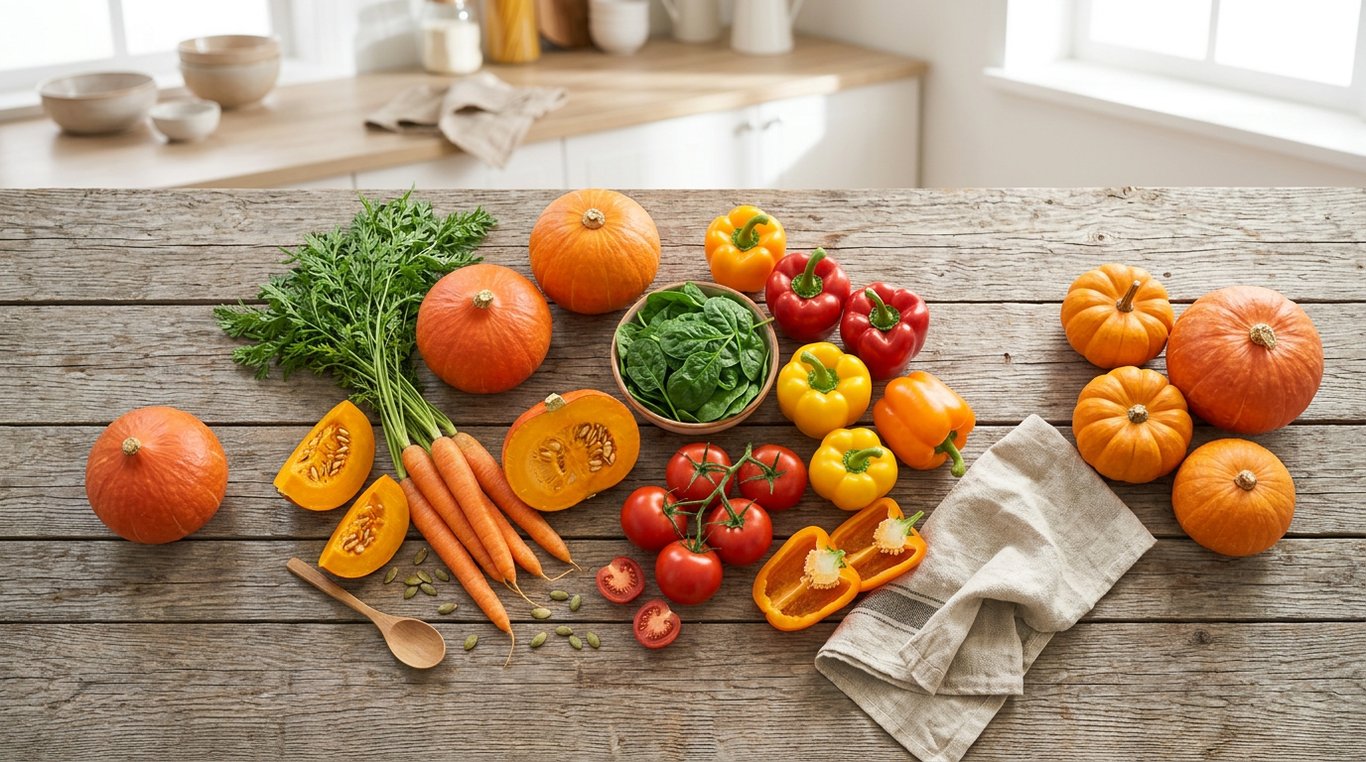
Alongside beta-carotene, other important carotenoids include lutein and zeaxanthin — protectors of the retina — and lycopene, associated with cardiovascular and prostate health. Carrots, pumpkin, spinach, tomatoes, and bell peppers are excellent sources of these compounds. Regular consumption of foods rich in carotenoids contributes to strengthening the immune system and protecting cells against oxidative stress, offering natural and effective protection directly from your plate.
Flavonoids and polyphenols — powerful plant antioxidants
The plant world hides a natural pharmacy of stunning complexity, and flavonoids and polyphenols represent some of its most valuable components. These bioactive compounds are found in green tea, berries, dark chocolate, red wine, onions, and many other plant-based foods, giving them not only their characteristic color and taste, but also remarkable therapeutic properties.
The mechanisms by which polyphenols and flavonoids protect health are multiple: they neutralize free radicals, modulate the inflammatory response, support blood vessel health, and positively influence the gut microbiome. Studies associate high polyphenol consumption with reduced risk of cardiovascular disease, type 2 diabetes, and certain forms of cancer. Resveratrol, a polyphenol found in grapes and berries, is included in the AGE-R formula from Lunaawell — a product dedicated to cellular vitality and healthy aging — alongside astaxanthin and nicotinamide riboside.
Foods rich in antioxidants — fruits and natural sources
Nature offers an abundance of antioxidant sources, and diversity is the key to complete, balanced intake. Berries — blueberries, raspberries, strawberries, and blackberries — are among the most concentrated antioxidant sources available, thanks to their high content of anthocyanins and vitamin C. Pomegranates, black grapes, and citrus fruits complete the palette of fruits with high antioxidant potential.
In the vegetable category, broccoli, spinach, kale, carrots, and bell peppers offer a wide spectrum of protective compounds, from carotenoids to vitamin C and sulforaphane. Walnuts, sunflower seeds, and almonds add vitamin E and selenium to the equation, while green tea and coffee contribute valuable polyphenols. Daily integration of these antioxidant-rich foods doesn't require radical changes — sometimes, a handful of blueberries at breakfast or a colorful salad at lunch can make a significant difference in the body's overall antioxidant protection.
Antioxidant vitamins — vitamin C and vitamin E
Among all exogenous antioxidants, vitamin C and vitamin E are probably the most studied and best understood. Vitamin C is a water-soluble antioxidant that acts in the aqueous environment of cells and blood plasma. It neutralizes free radicals, regenerates oxidized vitamin E, and supports collagen synthesis, contributing to the health of skin, blood vessels, and the immune system. Main dietary sources include citrus, kiwi, bell peppers, broccoli, and strawberries.
Vitamin E is fat-soluble and exerts its protective action in the lipid-rich cell membranes, preventing their peroxidation. Cold-pressed vegetable oils, nuts, seeds, and spinach are valuable natural sources. The two vitamins work synergistically — vitamin C regenerates vitamin E after it has neutralized a free radical, extending its effectiveness. Lunaawell integrates vitamin C in liposomal form in its IMMUNIQ and AGE-R products, a form with superior bioavailability compared to the classic version, precisely to maximize antioxidant benefits at the cellular level. Together, these vitamins form an essential duo in the body's defense arsenal against oxidative stress and premature aging.
Antioxidant protection: a daily commitment to health
Integrating antioxidants into daily life is not just a protection strategy, but an active commitment to long-term health. Through conscious dietary choices and, if necessary, intelligent supplementation, we can support the body's natural ability to defend against oxidative stress and maintain optimal metabolic balance.
For more context on the cellular shifts that accompany aging, read why your cells run out of fuel after 35 — NAD+ decline and antioxidants are tightly linked at the mitochondrial level.
Found this helpful? Share with someone who needs it.
Share on InstagramRead more

Eight hours of sleep and still exhausted. Sound familiar? The fatigue that settles in after 40 isn't just stress or "getting older" — there's a specific, measurable reason your cells are producing ...
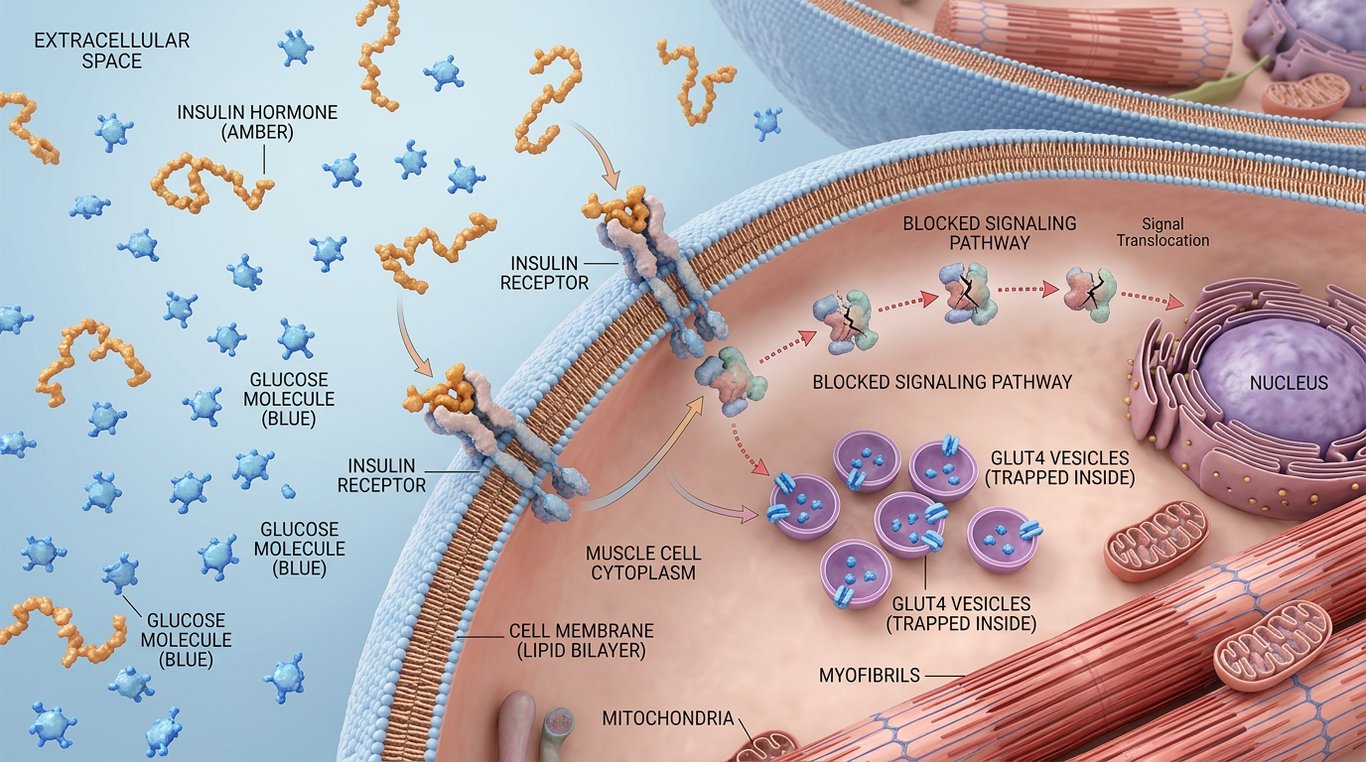
Complete guide on insulin resistance: causes, symptoms, the HOMA index, foods, evidence-backed supplements, and a concrete protocol for women after 35.